You are from United States (US), price will be in United States (US) dollar ($).
United States dollar ($) - USD
United States dollar ($) - USD
Euro (€) - EUR
Pound sterling (£) - GBP
Australian dollar ($) - AUD
Netherlands Antillean guilder (ƒ) - ANG
$180.00–$800.00Price range: $180.00 through $800.00
THCa Afghan hash reflects a unique blend of traditional craftsmanship and modern cannabinoid awareness. Produced using solvent-free, low-temperature methods, it preserves high levels of THCa while maintaining the physical and aromatic characteristics that made Afghan hash historically significant. As a subject of study, it offers valuable insight into landrace cannabis genetics, resin chemistry, and the evolution of concentrate production.
THCa Afghan Hash: Traditional Resin with Modern Cannabinoid Focus
THCa Afghan hash represents the intersection of traditional hash-making heritage and modern cannabinoid analysis. Rooted in centuries-old Afghan resin production methods, this form of hash is now commonly discussed in scientific, educational, and regulatory contexts due to its naturally high concentration of tetrahydrocannabinolic acid (THCa)—the non-psychoactive precursor to THC. Understanding THCa Afghan hash requires both historical knowledge and contemporary cannabinoid science.
Origins and Historical Context
Afghan hash originates from cannabis landrace varieties native to Afghanistan’s mountainous and arid regions. These environments encouraged the evolution of plants with dense trichome coverage, making them especially suitable for resin collection. For generations, Afghan farmers developed manual techniques to separate and press resin, creating hash that became globally recognized for its texture, aroma, and consistency.
THCa Afghan hash follows these same traditional principles but is now often analyzed and categorized based on cannabinoid content, particularly THCa levels, using modern laboratory methods.
What Is THCa?
THCa (tetrahydrocannabinolic acid) is a naturally occurring cannabinoid found in raw cannabis resin. Unlike THC, THCa does not produce intoxicating effects in its original state. It exists abundantly in freshly harvested or minimally processed cannabis products, including traditional hash.
In Afghan-style hash, THCa remains dominant due to:
Low-temperature, solvent-free production
Minimal processing
Limited exposure to heat or prolonged oxidation
These conditions help preserve THCa in its original molecular form.
Traditional Production Methods
THCa Afghan hash is produced using mechanical, solvent-free techniques that have been passed down for centuries. These methods typically involve:
Drying mature cannabis plants
Separating trichomes through gentle agitation or hand processing
Pressing collected resin into dense forms
Allowing controlled curing to stabilize texture and aroma
Because no chemical solvents or high heat are used, the resin maintains a cannabinoid profile close to that of the original plant, often resulting in high THCa retention.
Appearance, Texture, and Aroma
THCa Afghan hash is commonly identified by several physical characteristics:
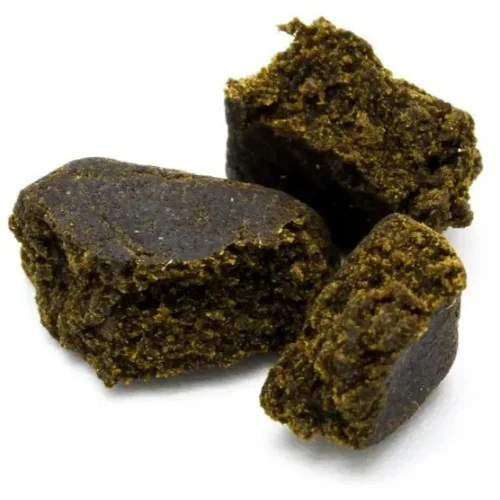
Color: Dark brown to black exterior with a lighter interior
Texture: Dense, pliable, and smooth when warmed
Aroma: Earthy, spicy, woody, and herbal
These traits are the result of resin maturity, curing duration, and landrace terpene expression rather than modern flavor enhancement.
Cannabinoid and Terpene Profile
From an analytical standpoint, THCa Afghan hash is notable for:
High THCa concentration relative to THC
Broad-spectrum cannabinoid presence
Naturally preserved terpenes due to low-intervention processing
Exact cannabinoid percentages vary depending on plant genetics, harvest timing, and curing conditions. In educational and research settings, laboratory testing is essential for accurate cannabinoid profiling and documentation.
Cultural and Educational Significance
THCa Afghan hash is frequently referenced in:
Ethnobotanical studies
Cannabis history research
Discussions on traditional concentrate production
Cannabinoid science education
It serves as an example of how historical agricultural practices align with modern scientific understanding of cannabinoids, particularly in discussions about raw versus converted cannabinoid states.
Modern Documentation and Research Context
In contemporary discourse, THCa Afghan hash is primarily examined through:
Academic research
Cultural documentation
Regulatory and scientific analysis
Due to changing legal frameworks and regional restrictions, authentic Afghan-origin hash is rare, increasing the importance of accurate historical and scientific education rather than commercial representation.
Summary
THCa Afghan hash reflects a unique blend of traditional craftsmanship and modern cannabinoid awareness. Produced using solvent-free, low-temperature methods, it preserves high levels of THCa while maintaining the physical and aromatic characteristics that made Afghan hash historically significant. As a subject of study, it offers valuable insight into landrace cannabis genetics, resin chemistry, and the evolution of concentrate production.