How long does mdma stay in your system: MDMA (3,4-methylenedioxymethamphetamine), commonly known as ecstasy or molly, is a synthetic substance that combines stimulant and hallucinogenic effects. Because of its impact on brain chemistry and body systems, understanding how long it remains in the body is important for both health awareness and informed decision-making.
On average, MDMA has a half-life of about 8 hours, meaning it takes that amount of time for half of the drug to be eliminated from the body. Within approximately 40 hours, around 95% of the substance is typically cleared. However, this process is not the same for everyone. Factors such as dosage, frequency of use, metabolism, body composition, and overall health can significantly influence how quickly MDMA is broken down and removed.
Even after its primary effects wear off, traces of MDMA can remain detectable for varying periods depending on the type of drug test used. Blood and saliva tests can usually identify MDMA for up to 24–48 hours after use. Urine tests may detect it for up to 3–4 days, while hair follicle tests can reveal use for as long as 90 days.
These timelines are approximate and can vary widely. Higher doses, repeated use, and individual biological differences can extend how long the drug stays in the system. Being aware of these variables can help individuals better understand the short- and long-term implications of MDMA use.

Different drug tests have different detection windows for MDMA:
Blood testing provides a reliable way to identify recent MDMA use. In most cases, ecstasy can be detected in the bloodstream for approximately 24 to 48 hours after consumption. However, this window is not absolute—factors such as higher doses, repeated use, and individual metabolism may extend how long the drug remains detectable.
MDMA is rapidly absorbed after ingestion, entering the bloodstream within a few hours. This means that blood tests can often identify the presence of the drug relatively soon after use, making them particularly effective for detecting recent exposure.
Saliva testing is a practical and efficient method for detecting recent MDMA use. In most cases, ecstasy can be identified in saliva for approximately 24 to 48 hours after the last dose. Because the drug is typically taken orally, traces can appear in saliva almost immediately following ingestion, allowing for rapid detection.
This quick onset, combined with a short detection window, makes saliva tests particularly useful for identifying recent use. However, as with other testing methods, factors such as dosage, frequency of use, and individual metabolism can influence how long MDMA remains detectable.
Urine testing is one of the most commonly used methods for detecting MDMA due to its balance of convenience and reliability. In most cases, ecstasy can be identified in urine for up to 72 hours after use. Notably, the drug may become detectable quite quickly—sometimes within as little as 30 minutes after ingestion, depending on the dose and how rapidly the body processes it.
As with other testing methods, these timelines can vary. Higher doses, repeated use, and individual metabolic differences may extend the detection window, making it important to view these estimates as general guidelines rather than exact limits.
Hair testing provides the longest detection window for MDMA use. Traces of ecstasy can be identified in hair and hair follicles for up to 90 days after ingestion. This extended timeframe is possible because small amounts of the drug enter the bloodstream and are deposited into hair follicles as hair grows.
As a result, hair tests are particularly useful for identifying patterns of past use rather than recent consumption. While highly effective over the long term, factors such as frequency of use, hair growth rate, and the amount of drug consumed can influence detection outcomes.
How long does mdma stay in your system: What Affects Detection Duration?
- Dosage and Frequency of Use
The amount of MDMA taken and how often it is used are key factors in how long it stays in the body. Higher doses require more time to be broken down and eliminated. Repeated use can also lead to accumulation, extending the detection window. As a result, regular users are likely to have detectable levels of MDMA in their system for longer than occasional users. - Metabolism and Individual Factors
Each person processes substances differently, and metabolic rate plays a major role in how quickly MDMA is cleared. Age, body composition, and overall health all influence this process. In particular, liver and kidney function are critical, as these organs are responsible for breaking down and removing the drug from the body. - Body Composition and Hydration
Although MDMA is water-soluble, physical characteristics such as body composition can still affect how it is processed. Hydration levels and urine pH may influence how efficiently the drug is excreted. However, attempts to artificially “flush out” MDMA—such as excessive water intake—are not only ineffective but can also pose serious health risks. - Method of Ingestion and Drug Purity
How MDMA is consumed can impact how quickly it enters and moves through the body. In addition, substances sold as ecstasy often vary in purity and may contain other compounds. These variations can alter both the drug’s effects and how long it remains detectable. - Common Myths About Speeding Up Elimination
There is no reliable or safe way to significantly accelerate the removal of MDMA from the body. Methods such as detox products, excessive fluid intake, or supplements are widely promoted but lack scientific support and may be harmful. Understanding the body’s natural processing limits is essential for making informed and safer choices.
How long does mdma stay in your system and how does my body metabolise MDMA?
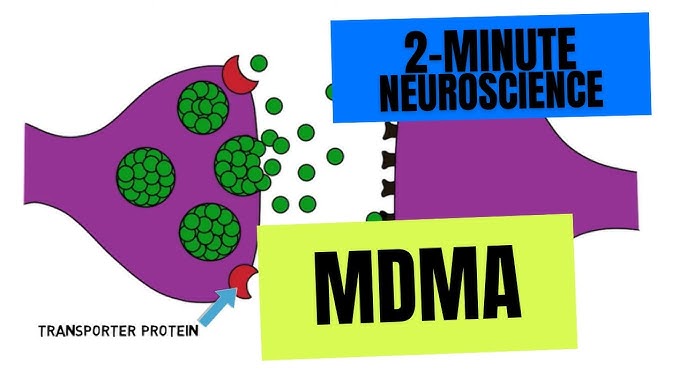
After ingestion, MDMA is absorbed into the bloodstream and transported to the liver, where most of the drug is broken down. During this process, it is converted into metabolites—chemical byproducts that the body can more easily eliminate.
MDMA has an average half-life of about 8 hours, meaning it takes that long for half of the active substance to be cleared from the body. Within roughly 40 hours, approximately 95% of the drug is typically eliminated. Once metabolised, MDMA and its byproducts are excreted primarily through urine, and to a lesser extent through stool. The overall duration of this process can vary depending on factors such as dosage, frequency of use, and individual physiology.
Can you metabolise MDMA faster?
The body processes MDMA at its own pace, and there is no proven way to significantly ускорate this process. The liver will continue to break down the substance naturally until it is eliminated.
Attempts to speed up elimination—such as drinking excessive amounts of water or engaging in intense exercise—are not supported by evidence and may even be harmful. The most reliable approach is to allow the body to metabolise the substance naturally over time. How long does mdma stay in your system
What factors affect how long MDMA stays in your system?
Several key factors influence how long MDMA remains in your system, and understanding them can help clarify why detection times vary from person to person. How long does mdma stay in your system
Dose and Frequency of Use
The amount of MDMA taken plays a major role in how long it lingers in the body. Larger doses take more time to break down and eliminate. In addition, frequent use can lead to a buildup of the drug and its metabolites, extending the detection window compared to occasional use.
Method of Consumption
How MDMA is taken affects how quickly it enters the bloodstream and begins to be processed. Methods that allow faster absorption—such as snorting—can lead to quicker onset and, in some cases, faster elimination compared to oral ingestion. However, this does not necessarily reduce overall detection times in a significant or predictable way.
Body Type
Body composition can also influence drug elimination. Some substances and their byproducts may be stored in fatty tissues, meaning individuals with higher body fat percentages could retain MDMA for longer periods before it is fully cleared.
Metabolism
Metabolic rate is a critical factor in how efficiently the body processes MDMA. People with faster metabolisms—often influenced by age, activity level, and general health—tend to eliminate the drug more quickly. Conversely, slower metabolic rates can prolong its presence in the system.
General Health
Overall health, particularly liver and kidney function, directly impacts how well the body can break down and remove MDMA. If these organs are not functioning optimally, the elimination process may be slower, resulting in longer detection times.
Taken together, these variables explain why MDMA does not remain in everyone’s system for the same duration. Recognizing these differences is essential for forming realistic expectations about how the body processes the drug.


